

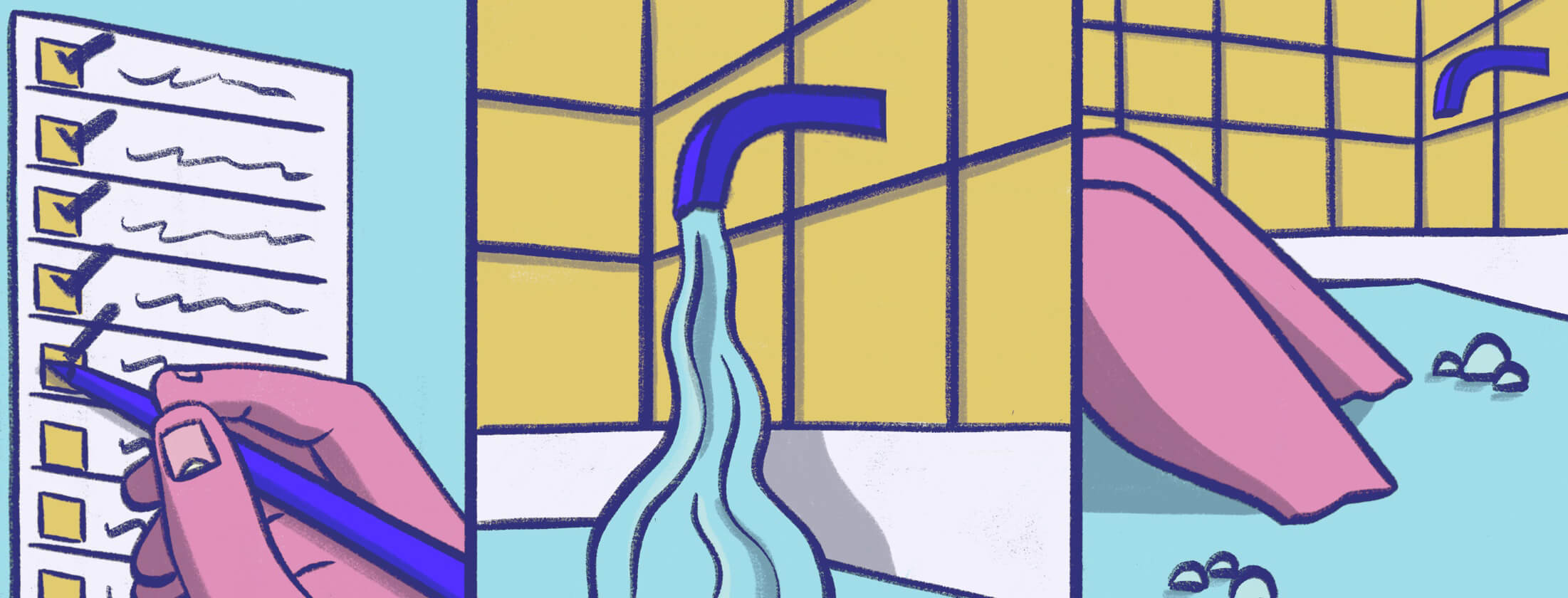
Schizophrenia and Hygiene Struggles

People forget that schizophrenia is more than just hallucinations or delusions. I’ve spent years talking about how my “positive symptoms” have affected my life, but it wasn’t until recently that I finally opened up about my negative symptoms.
Opening up about bad days with schizophrenia
There are several reasons for this: for many years, I didn’t realize that my negative symptoms were even a part of my schizophrenia diagnosis.
The other reason was just that I was embarrassed. It’s incredibly difficult to admit that there are times that I am unable to take care of myself. I have realized in the last few years that sharing my bad days and my struggles can be just as impactful for my followers. It can remind others that they are not alone.
Why does hygiene becomes a struggle?
There are periods of negative symptoms where I struggle to keep up with personal hygiene due to fatigue or lack of motivation. I used to think this was a personal failure. I thought I was just being lazy when this happened. I wouldn’t tell anyone or talk about it because I was so embarrassed that I couldn’t do simple tasks like brushing my teeth or showering.

This or That
Do you experience fatigue?
Hygiene is one of the first areas to be impacted when my negative symptoms flare up. Avolition makes it hard to initiate tasks. Executive dysfunction makes it hard to organize the steps. Fatigue and lack of motivation make it hard to follow through with anything, even these simple tasks. Something as routine as showering can feel so complicated.
The hurdle of daily routine
Brushing my teeth can become another hurdle. It sounds so simple - two minutes, twice a day. But when motivation is low and my thoughts are foggy, even squeezing toothpaste onto a brush can feel overwhelming.
On harder days, I’ve avoided mirrors altogether because I didn’t want to confront how unwell I felt. That avoidance only deepened my shame.
This or That
Do you struggle with low self-esteem?
Low-energy hygiene hacks and coping tools
What has helped me most is learning to simplify hygiene instead of abandoning it altogether, if possible. I’ve had to let go of the “all or nothing” mindset with these strategies:
- If I can’t take a full shower, I use cleansing wipes.
- If brushing my teeth feels like too much, I use mouthwash or keep disposable toothbrushes by my bed.
- If washing my hair is overwhelming, dry shampoo can bridge the gap.
These aren’t shortcuts - they’re coping tools.
How to break tasks into micro-steps
Breaking tasks into micro-steps has also been helpful. Instead of telling myself to “take a shower,” I tell myself to “turn on the water.” Once I complete that step, I focus on the next one.
Set a timer
Sometimes I set a five-minute timer and commit to doing whatever I can in that time. Often, starting is the hardest part. Momentum builds once I begin.
Make a list
Visual structure also helps. I use simple to-do lists every day. I write things that most people wouldn’t need to think about, like: wake up, take meds, brush teeth, deodorant, clean clothes. On foggy days, I don’t have to rely on memory.
Finding support and practicing self-compassion
Accountability and support have also played a role in my recovery. That doesn’t mean someone policing me. It means safe people who understand that if I’m struggling with hygiene, it may be a sign my symptoms are increasing. Sometimes just texting a trusted friend, “I’m having a hard day, but I brushed my teeth,” reinforces that small victories count.
Most importantly, I’ve had to practice self-compassion. Shame never improved my hygiene. When I began viewing hygiene struggles as symptoms rather than moral failures, I was able to approach them with problem-solving instead of self-criticism.
Advice for loved ones and caregivers
If you love someone with schizophrenia, gentle encouragement works far better than criticism. Offer practical help if it’s welcomed: picking up supplies, helping create a routine, or celebrating small efforts. And if you live with this illness like I do, know that struggling with hygiene does not erase your progress.
Recovery isn’t about being flawless. It’s about finding strategies that work for your brain, even if they look different from everyone else’s. Some days, hygiene might mean a full shower and fresh sheets. Other days, it might mean deodorant and dry shampoo. Both are valid steps forward.
We need to talk openly about hygiene
Talking about hygiene openly may feel uncomfortable, but it breaks isolation. Sometimes, healing begins with something as small and as powerful as brushing your teeth and recognizing that it is enough for today.